

Foot Massage - benefits, techniques and everything you need to know about reflexology
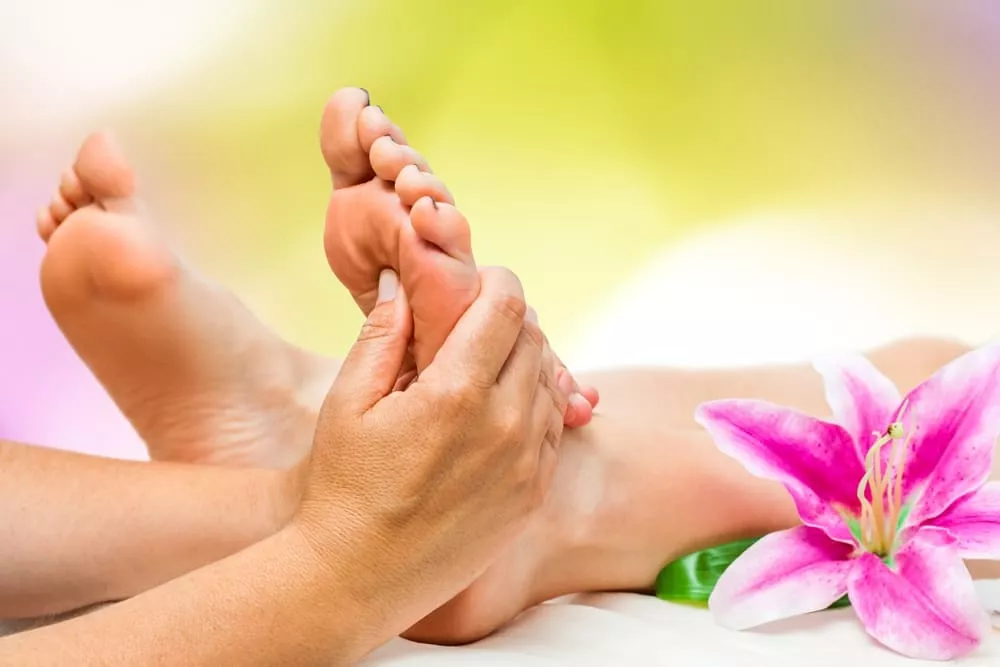
Your feet support your entire body’s weight day in and day out—and yet they’re often overlooked in your personal care routine.
Foot massage, also known as reflexology or foot acupressure, is one of the oldest and most effective natural methods of relaxation, with proven benefits for both the body and the mind.
If you landed on this page searching for “foot massage,” “foot reflexology,” or want to understand how foot reflexology works, this comprehensive guide answers all your questions.
What is foot massage and how does it work?
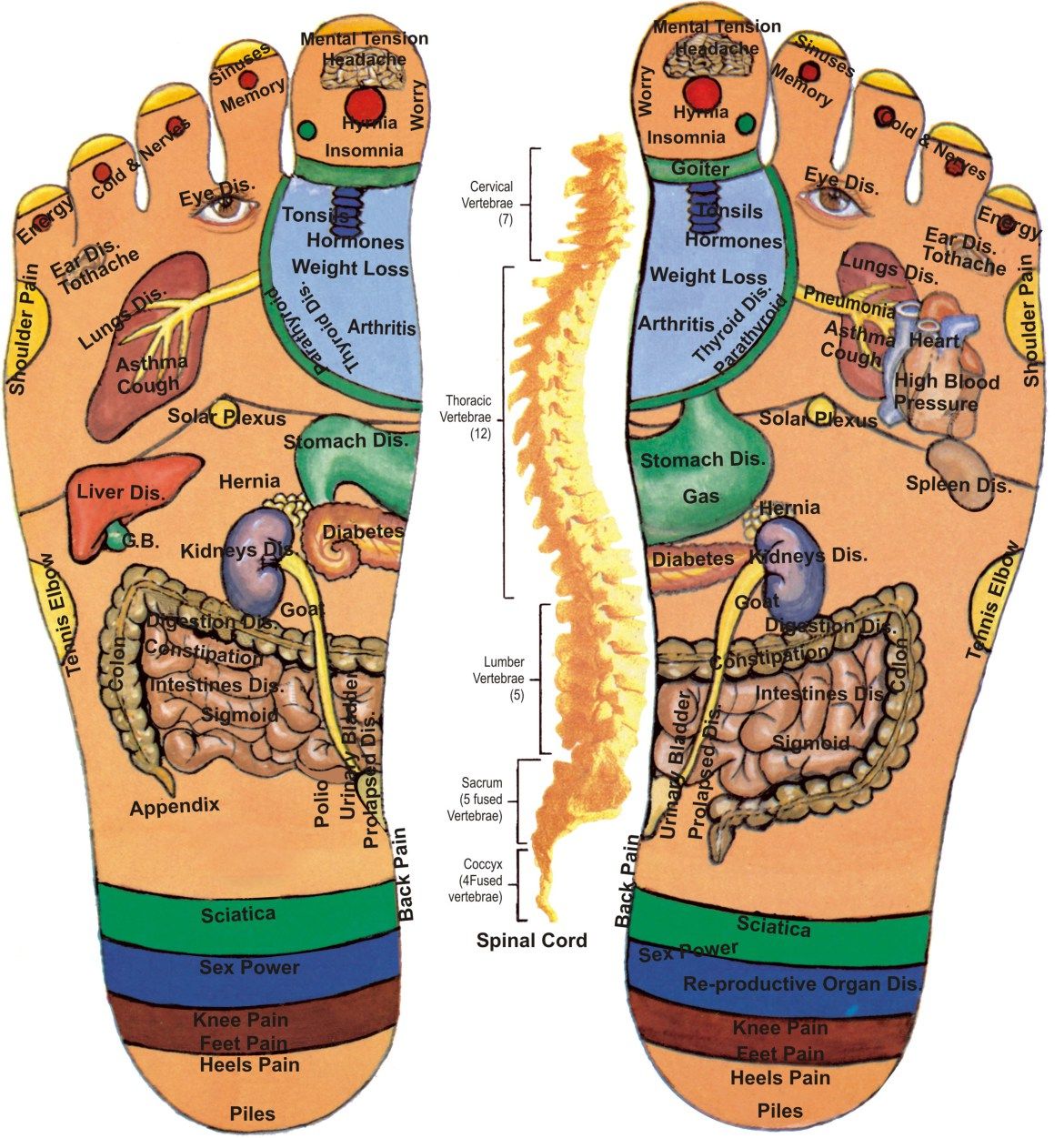
Foot massage is a manual therapy that involves applying controlled pressure to specific areas of the sole of the foot, known as reflex points. Each of these points corresponds to an organ, system, or region of the body—from the kidneys and liver to the spine or sinuses.
Your feet support the weight of your entire body day in and day out—and yet they are most often overlooked in your self-care routine.
Foot massage, also known as reflexology or foot acupressure, is one of the oldest and most effective natural methods of relaxation, with proven benefits for both the body and the mind.
If you landed on this page searching for “foot massage,” “foot reflexology,” or want to understand how foot reflexology works, this comprehensive guide answers all your questions.
The Difference between Reflexology, Foot Reflexology, and classic Foot Massage
Although these terms are often used interchangeably, there are important distinctions:
- Reflexology works with the reflex map of the sole of the foot and targets internal organs through specific points
- foot reflexology applies pressure to energy meridians, similar to acupuncture, but without needles
- classic foot massage focuses on muscles, tendons, and local circulation
All three are complementary and can be combined within the same session.
Benefits of Foot Massage
Improves blood circulation
Through pressure and friction techniques, foot massage stimulates blood flow in the lower extremities—an area prone to stagnation, especially in sedentary individuals or those who stand for long periods. Improved circulation means more oxygen and nutrients delivered to the tissues.
Reduces stress and anxiety
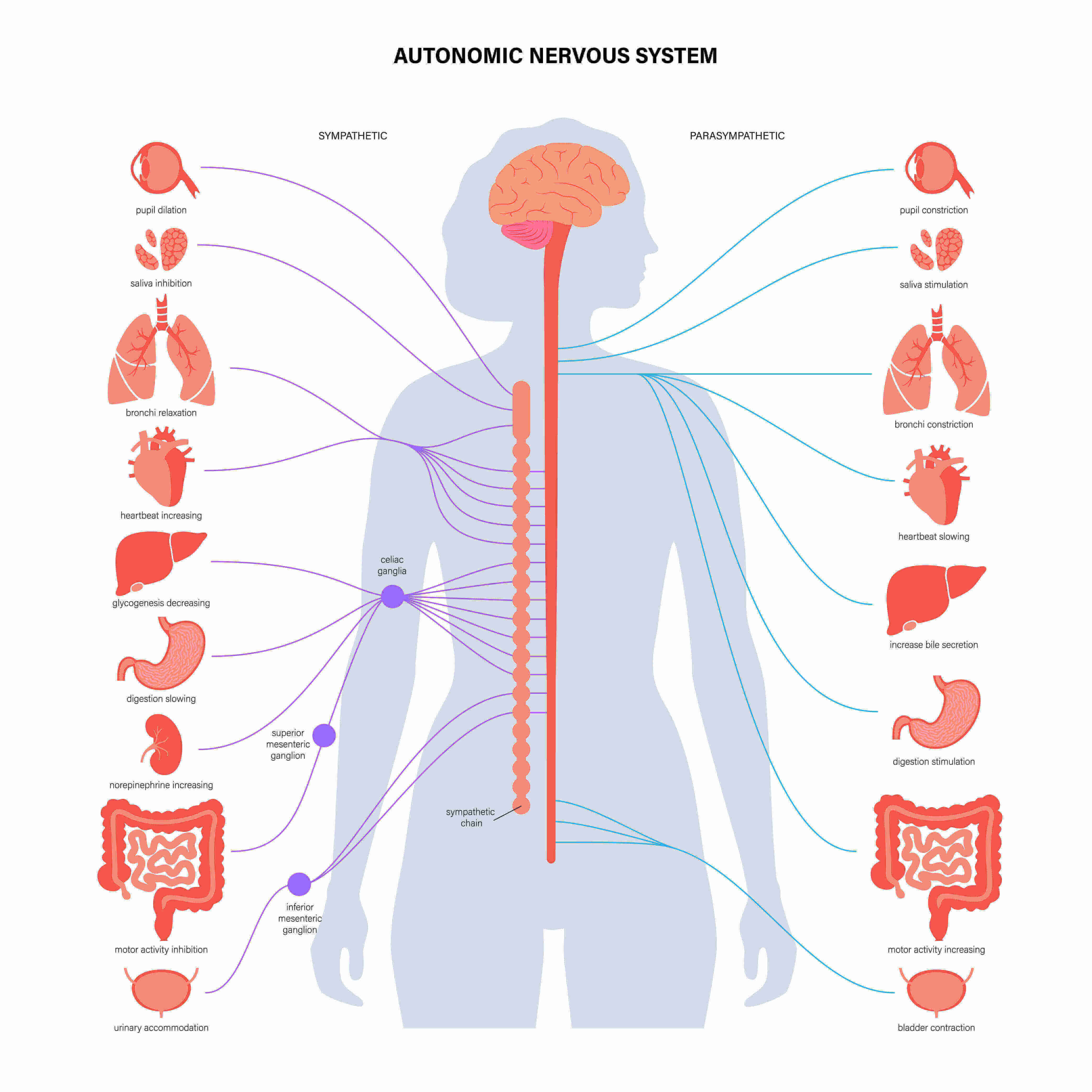
Stimulating the soles of the feet activates the parasympathetic nervous system—the one responsible for the “rest and recovery” state. The result is a decrease in cortisol levels and the release of endorphins, the body’s natural feel-good hormones. Many people fall asleep during a reflexology session—a sign that the relaxation is deep.
Relieves pain — local and systemic
Foot reflexology is frequently used for headaches, migraines, lower back pain, and tension syndromes. By acting on the corresponding reflex points, pain signals transmitted through the central nervous system can be reduced.
Promotes quality sleep
A foot massage performed in the evening, before bedtime, has a natural sedative effect. People with mild insomnia or difficulty falling asleep can benefit significantly from a regular 15–20-minute routine.
Energy balance
According to Eastern medical traditions (Chinese and Ayurvedic), the soles of the feet contain points on the body’s main meridians. Stimulating these points helps eliminate energy blockages and supports the detoxification functions of the liver and kidneys.
How to give yourself a Foot Massage at home
Giving yourself a foot massage at home is not only simple but also extremely beneficial. All you need is some basic knowledge of reflexology points and the desire to pamper yourself.
First, create a comfortable and relaxing space, perhaps with soft lighting and soothing music. You can also use essential oils or lotions to massage your feet, as these help relax the muscles and provide extra moisture to the skin.
Start the massage by warming up your feet. You can do this by rubbing your palms together and placing them on the soles of your feet, or by gently massaging your feet in circular motions. Next, focus on each toe individually, massaging them from the base to the tip. Use your thumb to apply pressure to the various reflexology points on the sole, moving slowly and steadily.
Don’t forget to pay attention to your ankles and the sides of your feet as well. These areas are often overlooked, but they can contain tension points that, once released, contribute to deep relaxation. Finish the massage with smoothing strokes across the entire sole and take a deep breath, enjoying the feeling of relaxation and revitalization.
Useful equipment and products for Foot Massage
To enhance your foot massage experience, there is a wide range of equipment and products you can use.
One of the most popular devices is the foot massage roller, which can be used to stimulate reflexology points and relax tense muscles. It is easy to use and can be used while sitting at your desk or watching TV.
Another useful device is the hydro-massage foot bath. Not only does it provide a relaxing massage, but it also helps improve circulation and soften the skin. You can add sea salt, essential oils, or aromatic herbs for an especially pleasant experience. These baths are ideal for preparing for a foot massage session or simply for unwinding after a long day.
In addition, massage oils and lotions are essential for ensuring a pleasant and effective experience. Essential oils, such as lavender, peppermint, or eucalyptus, not only help you relax but also have therapeutic properties. They can be mixed with carrier oils, such as almond or jojoba oil, to create the perfect massage blend.
Contraindications: when to Avoid Foot Massage
Although foot massage is generally safe and beneficial, there are certain situations in which it should be avoided or performed with caution. One of the main contraindications is the presence of acute conditions or open wounds on the feet. In these cases, massage can worsen the condition and cause pain or infection.
Additionally, people with severe circulatory problems, such as deep vein thrombosis, should avoid foot massage, as it can dislodge blood clots and lead to serious complications. If you have chronic conditions or serious illnesses, it is always recommended to consult a doctor before starting foot massage sessions.
Pregnant women should be particularly cautious about foot massage. Certain reflexology points can stimulate uterine contractions, which can be dangerous during pregnancy. It is essential that the massage be performed by a professional who is familiar with safe techniques and the specific contraindications for this group of people.
Reflexology in historical and cultural context
The origins of foot massage are lost in the mists of time, having been practiced for thousands of years in various cultures around the world. The earliest evidence of this practice comes from Ancient Egypt, where murals dating back to 2330 BC have been discovered, depicting people applying pressure to the feet and hands of others. These images suggest that the ancient Egyptians were aware of the therapeutic benefits of foot massage.
In Ancient China, foot massage was an essential component of traditional Chinese medicine. Practitioners believed that the feet are full of reflex points that correspond to various organs and systems in the body. By stimulating these points, the flow of energy, or “Qi,” could be restored, promoting health and healing. This philosophy continues to be an important part of alternative therapies in China today.
Over the centuries, foot massage has been adopted and adapted by numerous cultures. In India, for example, foot massage techniques have been integrated into Ayurveda, a system of traditional medicine that emphasizes balance between body, mind, and spirit. In the Western world, foot massage gained popularity in the 20th century, thanks to research and promotion by health and wellness professionals.
Conclusion: Foot massage — a small investment with big benefits
Whether you choose a professional reflexology session or a 15-minute massage at home, the benefits are real and cumulative. Foot massage is a valuable practice that can bring numerous benefits to your physical and mental health. From improving blood circulation and reducing pain to promoting deep relaxation and quality sleep, this technique is an essential tool in your self-care routine.
Incorporating foot massage into your daily life doesn’t require much time or effort. You can opt for professional massage sessions or learn to give yourself a massage at home using the right equipment and products. Regardless of the method you choose, the long-term benefits are undeniable.
In conclusion, foot massage isn’t just a treat for your feet, but an effective way to improve your overall health and relax amid daily stress.
Take a few minutes each day to care for your feet, and you’ll quickly notice a significant difference in your well-being.
Incorporate foot massage into your weekly routine, and you’ll notice the difference.
If you’d like to experience a professional reflexology or foot acupressure session in Bucharest, the Amrita Masaj team is here to assist you with certified therapists and a personalized approach.
Other articles
What about foot reflexology or foot massage on the soles?
Foot Reflexoloxy or reflexotherapy on the soles brings extraordinary well-being. Indulge yourself with a foot reflexology massage .
2 June
4 Unexpected Reasons to Go for a Massage
Win a day of your life at Amrita Parlour! Amrita Massage helps you relax, store new strength while your body feels liberated as tension and stress melt away.
2 June
Hot Stones Imunity
Hot Stone Massage combined with volatile oils is a very effective and extremely pleasant method for relaxing the whole body and revitalizing the immune system.
2 June